
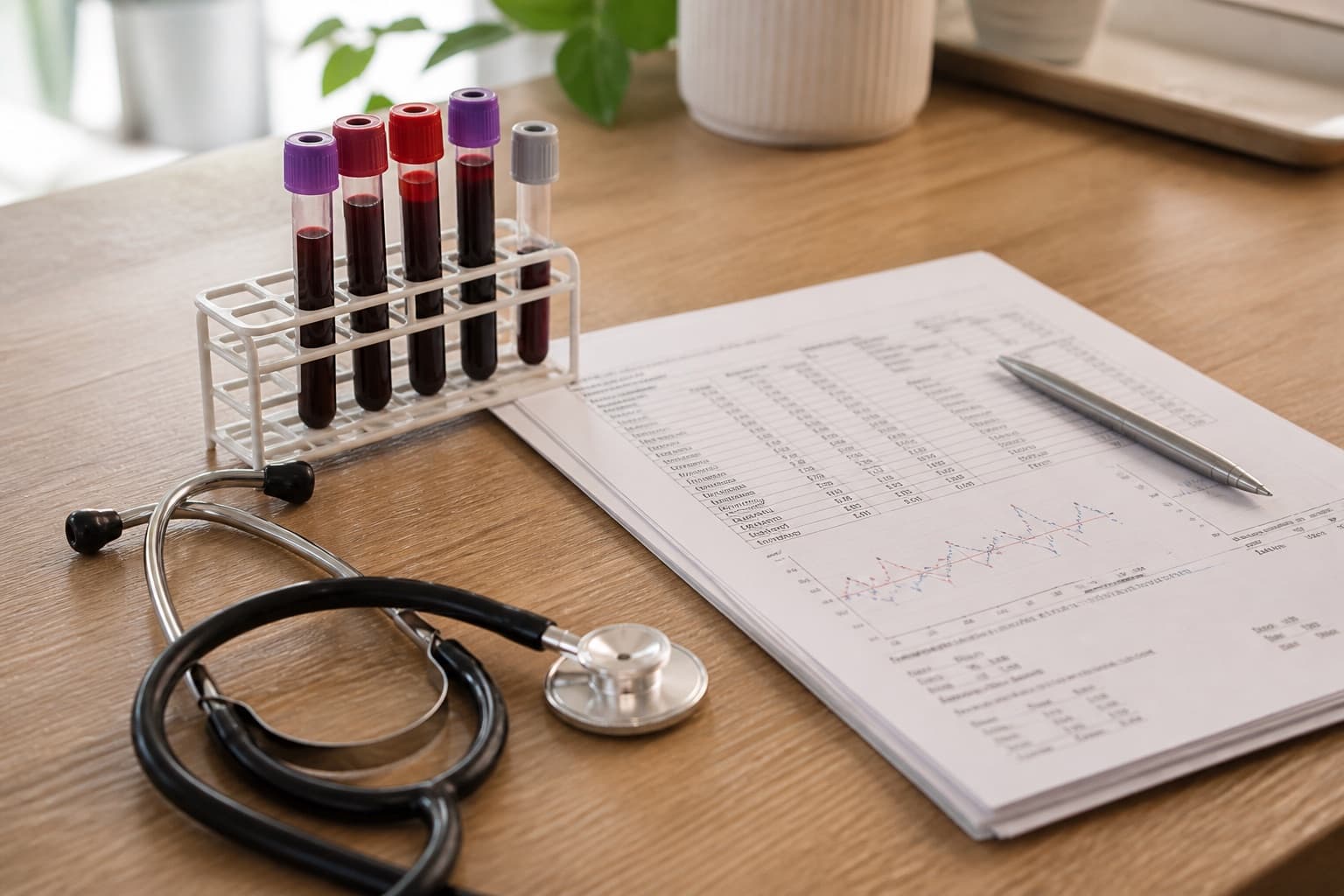
Stool analysis to assess bacterial diversity, pathogenic overgrowth, beneficial species depletion, intestinal inflammation markers, and short-chain fatty acid production.
Gut Health Care in Bangalore
Restore your gut microbiome with expert treatment at Clinic Living Plus, Bangalore. Personalised gut health programmes with probiotics, diet, and testing.
Gut health care that helps you take control again.
“For years, I saw multiple providers for ongoing gut issues without getting clear answers or meaningful progress. From my very first visit with my Clinic Living Plus doctor, I knew I was in the right place.”
0%
of the immune system is housed in the gut.
GUT HEALTH
Digestive discomfort, persistent fatigue, frequent infections, skin flare-ups, and mood irregularity often share a common origin that goes unexamined in standard medical consultations: a disrupted gut microbiome. The trillions of microorganisms residing in the gastrointestinal tract regulate immunity, hormone metabolism, nutrient absorption, and even brain chemistry. When this ecosystem falls out of balance, the effects reach well beyond digestion.
Trillions
of microorganisms reside in the gastrointestinal tract — regulating immunity, hormones, nutrients, and brain chemistry.
Understanding the root cause
The composition of the microbiome is sensitive to a wide range of dietary, pharmacological, and lifestyle inputs, and shifts in any one of these can trigger a cascade of disruption.
The most consistently documented contributors include:
While often medically necessary, antibiotics indiscriminately reduce beneficial bacterial populations alongside pathogenic ones, leaving the microbiome depleted and susceptible to colonisation by less favourable species.
Beneficial gut bacteria depend on dietary fibre and polyphenols for sustenance. Diets high in refined carbohydrates, additives, and seed oils actively suppress microbial diversity.
The gut-brain axis is bidirectional; sustained stress alters intestinal motility, mucosal permeability, and microbial composition through cortisol-mediated pathways.
The microbiome follows a circadian rhythm, and disrupted sleep patterns impair the bacterial activity cycles that support immune regulation and metabolic function.
Acid-suppressing medications alter the pH environment of the upper gut, affecting which bacteria thrive. Several other commonly prescribed drugs also carry documented effects on microbial diversity.
Post-infectious dysbiosis following gastroenteritis or food poisoning is well-established, with microbial imbalance sometimes persisting long after the acute episode resolves.
Is this program for me?
At Clinic Living Plus in Bangalore, our gut health clinic approach begins with a precise assessment of the microbiome and the factors driving its imbalance. From there, we build an individualised restoration protocol that addresses composition, intestinal integrity, diet, and lifestyle in a structured sequence.
Our care model includes:
Stool analysis to assess bacterial diversity, pathogenic overgrowth, beneficial species depletion, intestinal inflammation markers, and short-chain fatty acid production.
The gut microbiome is among the most actively researched areas in medicine, and for good reason. The trillions of microorganisms resident in the human gastrointestinal tract are not passive inhabitants; they produce neurotransmitters, regulate immune responses, metabolise hormones, synthesise short-chain fatty acids, and communicate directly with the brain through the gut-brain axis. When this ecosystem is disrupted, the consequences extend far beyond digestive symptoms. Skin conditions, anxiety, autoimmune conditions, chronic fatigue and hormonal imbalances all have documented connections to gut microbiome dysfunction. A gut microbiome test is the diagnostic tool that makes this invisible ecosystem visible.
What Our Experts Have To Say
Questions, answered
A clinically grounded approach involves increasing dietary fibre diversity, incorporating fermented foods, reducing ultra-processed food intake, managing stress, prioritising sleep, and using strain-specific probiotics for gut microbiome support based on assessed needs.
It includes a wide variety of plant foods to support bacterial diversity, fermented options such as kefir, yoghurt, kimchi, and sauerkraut to introduce beneficial bacterial strains, and prebiotic-rich foods such as oats, leeks, asparagus, garlic (in tolerated amounts), and slightly underripe bananas. Foods that repair gut microbiome integrity also include bone broth, collagen-rich foods, and anti-inflammatory fats from oily fish and olive oil.
To restore gut microbiome balance effectively, a structured clinical approach is required. This involves testing to establish a baseline, removing dietary and lifestyle factors that sustain dysbiosis, repairing the intestinal lining, reseeding with targeted probiotics and prebiotics, and monitoring progress through repeat testing.
Antibiotic exposure, low-fibre and ultra-processed diets, chronic stress, poor sleep, certain medications, gastrointestinal infections, and age-related shifts in microbial composition.
Yes, and often substantially. The microbiome is one of the most plastic systems in the body, capable of measurable compositional change within days of dietary or therapeutic intervention.
Initial improvements in gut microbiome health and associated symptoms are often observed within two to four weeks of commencing a structured programme.
Clinic Living Plus in Bangalore offers one of the most comprehensive gut health treatment programmes in the city, built around advanced microbiome testing and personalised restoration protocols.
At Clinic Living Plus, gut microbiome health is treated as the foundation of whole-body wellbeing, not just a digestive concern. Our clinical approach integrates stool microbiome analysis, intestinal permeability testing, SIBO breath testing where indicated, hormonal assessment, and nutritional profiling.
Yes. The gut-skin axis, gut-brain axis, and gut-immune axis are all clinically established connections, and they are central to the way Clinic Living Plus approaches gut health treatment. Patients experiencing chronic skin flare-ups, anxiety, recurrent infections, or autoimmune conditions are frequently found to have significant microbiome imbalances driving these symptoms.
Dietary guidance is inseparable from effective gut microbiome restoration and is a core component of every treatment plan at Clinic Living Plus. Our clinical nutritionists design personalised programmes built around foods that repair gut microbiome health, using the patient's actual microbiome test results to determine which bacterial populations need support and which prebiotic and probiotic foods are most likely to produce meaningful shifts.
It is a stool-based diagnostic test that analyses the composition and diversity of microorganisms living in the gut, including bacteria, fungi, parasites and viruses. It provides a detailed map of gut health and flags imbalances, pathogens, inflammation markers and digestive function.
Depending on the panel, it measures bacterial diversity and key species ratios, presence of pathogens including H. pylori and parasites, intestinal inflammation markers, secretory IgA, short-chain fatty acid production and digestive enzyme sufficiency.
Anyone dealing with chronic bloating, IBS, constipation, diarrhoea, food sensitivities, unexplained fatigue, skin conditions, autoimmune conditions or mental health concerns linked to the gut-brain axis would benefit from this assessment.
Antibiotics should be avoided for at least four weeks before the test and probiotics paused two weeks prior. At CLP, a personalised preparation sheet is provided based on current medications and health history.
A stool sample is collected at home using the provided kit, typically across one or two sittings, and sent to the lab. No hospitalisation or invasive procedure is required.
The report highlights imbalances, overgrowths, missing beneficial bacteria and digestive markers. At CLP, a functional medicine practitioner reviews the results in detail and builds a targeted treatment plan from the findings.
Accuracy depends on the lab and methodology. CLP works with labs using PCR-based analysis, which is significantly more reliable than basic culture-based stool tests available at most diagnostic centres.
Based on results, treatment combines targeted probiotics, prebiotics, dietary changes, antimicrobials where needed and gut lining repair protocols. Treatment is carefully sequenced because addressing one issue without the others often produces incomplete recovery.
For first time clients, please call us to schedule an appointment.
+91 72931 11120Start My Microbiome Restoration PlanBook a Consultation Today
If digestive symptoms, unexplained fatigue, immune irregularity, or skin and mood disturbances have been affecting your wellbeing, a thorough gut microbiome assessment is a meaningful place to begin. At Clinic Living Plus in Bangalore, our team provides comprehensive gut health treatment built around your individual microbiome profile, combining precise testing with a personalised restoration programme. Book your consultation today and take a clinically grounded step toward lasting gut health.
Prefer to talk now
For first time clients, please call us to schedule an appointment.
3rd Floor, 1655, 27th Main Rd, opp. NIFT College, HSR Layout, Bengaluru 560102
Mon–Sun, 9:00 am – 8:00 pm